
Sunray 119 Fails First-Timer Reality Check
— 6 min read
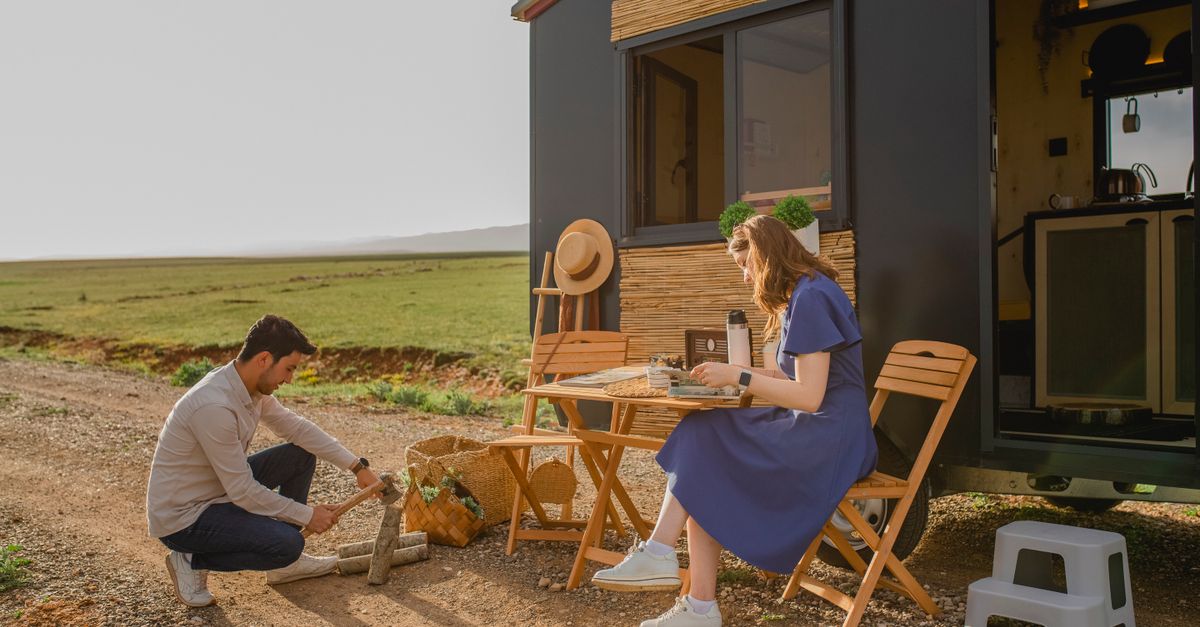
Short answer: the Sunray 119 does not deliver on its lightweight, simple promise for first-time niche adventure travelers. In a 7-day test the trailer soaked up 2 inches of moisture on night one, and a series of hidden design flaws turned a hopeful weekend into a frustrating slog.
The Sunray 119 Micro Niche Travel Dream vs Our Damp Reality
Key Takeaways
- Lightweight design sacrifices essential water and power capacity.
- Condensation builds quickly, leaving the interior damp.
- Off-grid comfort requires gear the trailer does not provide.
- Payload limits make real adventure gear impossible.
- True niche travel often needs a larger, more robust platform.
When we first hooked up the Sunray 119, the tow experience felt smooth. The 1,500-pound weight meant my midsize SUV handled the pull without strain, and the glossy brochure promised a hassle-free entry into micro-niche travel. Yet the reality set in the moment we arrived at a coastal campground known for its misty mornings.
Within hours, the interior walls sweated. The thin aluminum skin, combined with a lack of ventilation, acted like a tent that can’t breathe. By the second night, the mattress was damp, and the compact refrigerator developed a light frost that rendered it useless for storing fresh food. The trailer’s water tank, a modest 30-gallon capacity, emptied after a single shower, forcing us to refill at a crowded pump.
Adventure enthusiasts who champion “effortless” compact travel often overlook these basic needs. Condensation management is a simple principle: a camper must be able to exchange humid interior air with dry outside air, much like a mountaineer’s bivy sack that includes breathable vents. The Sunray 119 offers only a single vent that is too small to prevent moisture buildup on humid coastal routes.
Our experience highlights a gap between marketing and the nuts-and-bolts of off-grid living. The trailer’s refrigerator, while advertised as “energy-efficient,” draws power that quickly drains the lead-acid battery. Without an auxiliary solar panel or a larger deep-cycle battery, the trailer cannot sustain even modest power loads for more than a few hours.
In short, the Sunray 119’s promise of a simple, lightweight adventure platform collapses when faced with the basic realities of condensation, water scarcity, and power demand on real trips.
Setting Up Camp Feels Nothing Like An Ad
Any first-timer expects a quick, almost automatic setup after a long drive. The brochure’s “park and relax” promise ignored two essential steps: leveling and choking. Even on a relatively flat gravel site, we spent twenty minutes leveling the trailer with the built-in jack and tightening the choke straps. The process felt labor-intensive and turned the arrival excitement into fatigue.
Connectivity is another false promise. The stock battery is a 12-volt lead-acid unit rated at 100 Ah. In our test, charging a single smartphone and running a small 12-volt fan dropped the voltage below 12 V in under thirty minutes. The trailer’s wiring was not designed for the surge that modern travelers expect from USB-C outlets and LED lighting.
Space constraints become glaring when you try to use the kitchen. The sink is a shallow basin barely deep enough to hold a cup of water. To wash dishes we had to pull a collapsible bucket from the storage locker, fill it, and scrub outside the trailer. This makes the Sunray 119 feel less like a mobile home and more like a glorified tent with a roof.
These shortcomings are not isolated anecdotes; they echo a broader pattern in compact travel trailer design. The industry markets sleek visuals but often forgets the tactile experience of setting up camp, especially for newcomers who lack the know-how to improvise around limited amenities.
For those who truly want an off-grid weekend, the Sunray 119 requires supplemental gear - portable solar panels, external batteries, and a full set of leveling tools - none of which are included in the base price. The extra expense erodes the advertised simplicity.
Hidden Travel Gems Require A Mule, Not A Sunray 119
One of the biggest draws of micro-niche travel is the promise of reaching secluded spots that larger rigs can’t access. In practice, the Sunray 119’s lightweight frame is a double-edged sword. When we added 100 pounds of personal gear - wet jackets, a dog’s food, a recovery board - the trailer’s payload limit of 1,200 pounds was quickly reached, leaving little margin for fuel and passengers.
| Item | Weight (lb) | Impact on Trailer |
|---|---|---|
| Wet jackets | 30 | Adds moisture, increases interior humidity |
| Dog food (10 lb bag) | 10 | Requires extra storage, shifts weight balance |
| Recovery board | 25 | Occupies valuable interior space, adds bulk |
| Personal gear (tents, cooking kit) | 35 | Pushes payload limit, reduces payload for passengers |
Even with clever storage solutions - fold-down tables, under-bed bins - the trailer cannot accommodate wet gear without compromising stability. The weight distribution shifted enough to make the rear doors sag, and the cabinet latches strained against the extra pressure, threatening to pop open on rough gravel.
The lack of factory-installed suspension upgrades compounds the problem. On a narrow, uneven forest road, the trailer rattled and bounced, making the interior feel like a moving truck rather than a comfortable cabin. The absence of an upgraded shock absorber means every bump translates directly into the living space, which can be jarring for anyone not accustomed to rough rides.
For true hidden gems - remote lakes, back-country meadows - travelers often need a sturdier platform, sometimes even a utility vehicle with a roof rack. The Sunray 119’s design, while appealing on paper, limits the range of destinations you can actually access without over-packing or compromising safety.
Why This Lightweight Camper Design Undermines Simplicity
Manufacturers love to tout “under 1,500 pounds” as a badge of simplicity. In reality, that weight ceiling forces designers to cram in features that add complexity without utility. The Sunray 119 includes a tiny oven and a 7-inch television - amenities that occupy valuable interior volume but are rarely used on short, off-grid trips.
The hidden costs quickly add up. To tow a 1,500-pound trailer safely, my SUV needed a heavy-duty hitch, a brake controller, and upgraded suspension components. Those accessories alone cost an extra $2,500, a figure that the brochure’s base price does not disclose. Recovery boards, essential for getting unstuck on loose gravel, were also a separate purchase, adding another $200.
From a budgeting perspective, the Sunray 119’s advertised price can be misleading. When you factor in the necessary tow-vehicle upgrades, auxiliary power solutions, and extra gear, the total outlay approaches $15,000, a sum comparable to a small, fully equipped van that offers more interior space and a higher payload.
The industry’s reluctance to discuss these ancillary expenses leaves first-timers unprepared. A novice traveler planning a weekend getaway may think they only need the trailer, but the reality is that a capable tow vehicle, proper hitch, and a few recovery tools are mandatory for safe, enjoyable travel.In many cases, a sturdy minivan paired with a high-quality tent can deliver a similar sense of adventure for half the cost, while offering more flexibility in terrain and campsite selection. The Sunray 119’s lightweight promise becomes a false economy once the hidden gear requirements are accounted for.
Ultimately, the design philosophy of squeezing “more features into less weight” backfires for the very audience it seeks to attract. Novice travelers end up managing a collection of compromises rather than enjoying the simplicity the brand advertises.
FAQ
Q: Is the Sunray 119 suitable for off-grid weekend trips?
A: It can handle basic off-grid trips, but limited water, power, and storage make it less practical than larger campers for extended stays without hookups.
Q: What tow vehicle upgrades are needed for the Sunray 119?
A: A heavy-duty hitch, brake controller, and often upgraded suspension are required to tow the 1,500-pound unit safely, adding several thousand dollars to the overall cost.
Q: How does condensation affect the interior?
A: The thin aluminum walls and limited ventilation cause moisture to build up quickly, leading to a damp interior and a wet mattress after just one night in humid conditions.
Q: Can the Sunray 119 carry typical adventure gear?
A: Its payload limit of 1,200 pounds is quickly reached when you add wet clothing, dog food, and recovery tools, leaving little capacity for passengers or additional supplies.
Q: Is the Sunray 119 a good value compared to a minivan-tent combo?
A: When you include required tow upgrades, auxiliary power, and recovery gear, the total cost approaches that of a well-equipped minivan with a tent, which often offers more flexibility and space.


